Start with the truth
Going abroad is not a shortcut. A player who is on the bench in a serious American environment is not usually jumping straight to the Premier League, La Liga, Serie A, or a top European academy.
The real question
What is the next environment where I can play, improve, be seen honestly, and keep school, eligibility, immigration, money, and mental health intact?
The global reality
Every market already has local players, academy players, released pros, lower-division adults, and agents trying to place them.
Good reason
Better training, honest games, language, maturity, adult minutes, or a clear nationality pathway.
Bad reason
A logo, a travel photo, pressure from social media, or a paid package promising a contract.
Best first proof
Full-game film, strong references, passport status, current level, and verified match minutes.
Family job
Verify the club, housing, visa basis, supervision, cost, refund terms, and exit plan.
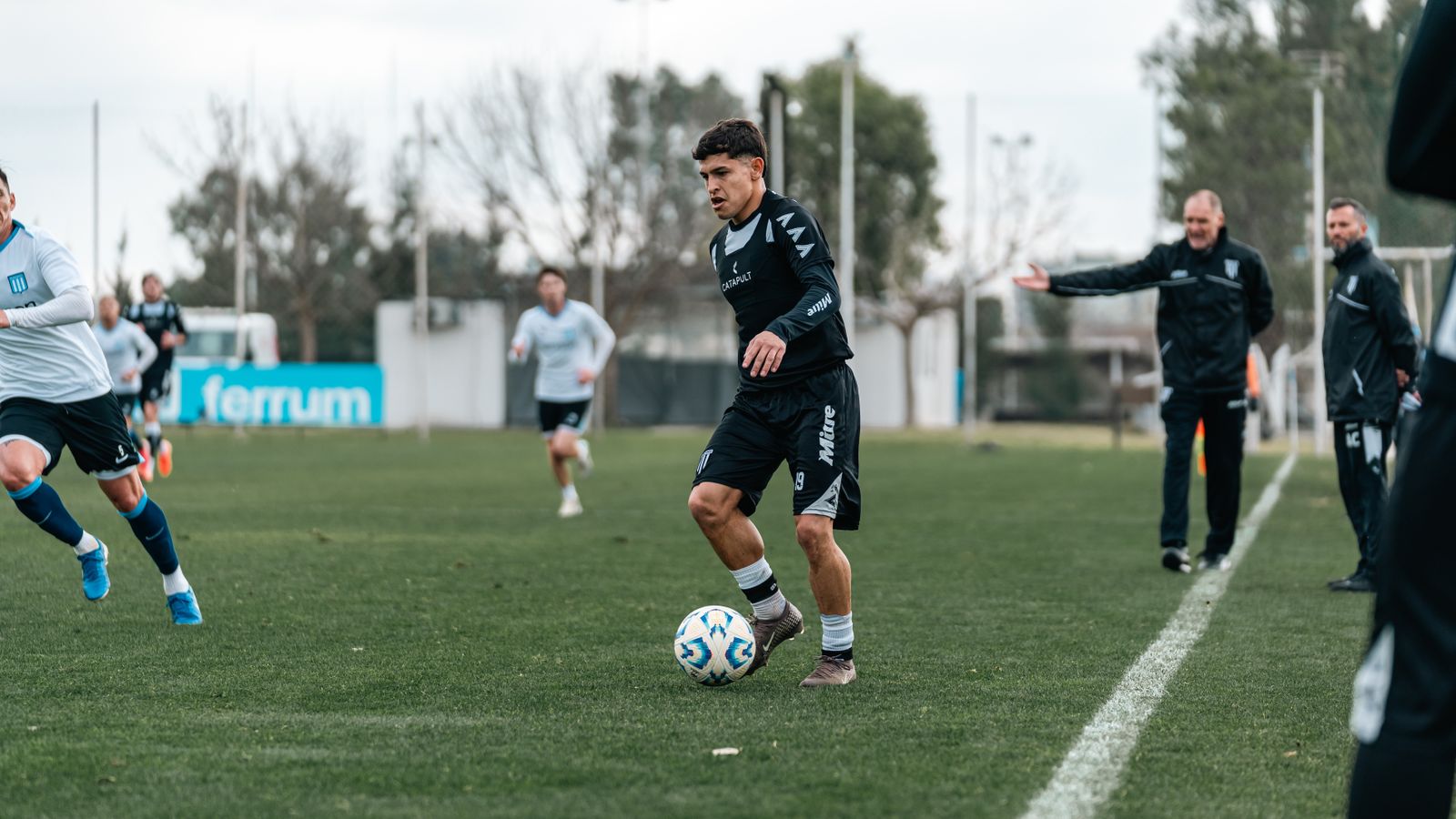
The realistic pathways
There are two kinds of overseas moves: short experiences that help a player learn, and serious moves that affect school, registration, visas, and career options.
1. Camp or showcase
Good for growth, culture, confidence, and film. Dangerous when sold like a contract pathway.
2. Select-squad trip
A mixed roster traveling for matches. Useful only when the roster, opponents, and coaches are real.
3. Residency
A month to a year abroad. Housing, school, visa, supervision, insurance, and match access must be clear.
4. Ancestry route
A second passport or federation eligibility can remove barriers. It still does not guarantee selection.
5. Club trial or team
At 18+, the club, league, role, cost, visa basis, housing, and decision-maker should be named.
Know what kind of overseas experience it is
Families get misled when every product is called a "trial." A camp, select-squad tour, residency, and registered team placement are different products.

Camp: 1 week
Training, culture, confidence, and a taste of a different standard.
Best used for development. It rarely changes a career unless a real club invited the player and named the evaluating staff.Showcase or ID tour: 1-2 weeks
Training, friendlies, maybe local coaches watching, sometimes sightseeing.
Ask who watches, what authority they have, what feedback is provided, and whether anyone moved from this exact event into a real club setup.Select squad trip
A roster built from different clubs for a domestic or international event.
This can be useful when the roster level and coach are real. Be careful when it is open registration with a national-sounding name.Training block: 1 month
More time to adapt to speed, language, coaching habits, and daily expectations.
This is still not the same as being registered with a club. Ask whether the player trains with a real team, partner group, private academy, or other paying visitors.Residency: 3-12 months
A real life decision involving housing, school, visa status, insurance, supervision, match access, and mental health.
For minors, the school, safeguarding, medical, housing, and return plan should be in writing before anyone travels.Club trial or team joining
In a real club opportunity, the club is named, the team level is clear, the registration and visa basis are real, and someone with authority can decide.
This means paperwork, league rules, housing, insurance, and consequences if it does not work. It should not be handled only through WhatsApp.- For select squadsAsk how the roster is picked, what level the players are, and whether opponents are real academy teams or developmental/partner groups.
- For every tripAsk what is included: flights, housing, meals, transport, insurance, supervision, film, feedback, emergency support, and refund terms.
- For every claimAsk what is actually being sold: development, tourism, exposure, a trial, residency, or registration with a club.
- For every evaluatorAsk who can make a soccer decision and whether that person will actually see the player more than once.
Paid trials are not the same as being wanted
A paid trial can be useful as a paid service. It becomes a problem when it is sold like the club already wants you.
What paid trials can do
They can expose a player to a different pace, give film, test confidence, and teach what an overseas environment feels like.
Useful if the family understands it as development or exposure, not as a promised contract pathway.What paid trials usually are
A business model. The company or club earns from attendance, housing, training, or event fees. The player is often revenue before he is a prospect.
That does not make every event dishonest. It does mean the family should judge it like a paid service.The game problem
Trial matches are messy. Players are unfamiliar, selfish, nervous, and fighting for attention. A good player can look average if the game has no rhythm.
Ask whether there is real training evaluation, full-match film, coach feedback, and repeat contact beyond one showcase game.The investment test
If a club is truly interested, someone can explain why: position, profile, level, previous film, date, team need, and who makes the decision.
If nobody can say why the player was invited besides payment, treat it as a camp or showcase, not a recruitment.Age changes everything
Age affects everything: FIFA clearance, school, visas, amateur eligibility, contracts, and how clubs judge the player.
U18
International movement involving minors is heavily restricted. A paid trial does not override transfer rules, school requirements, or safeguarding.
Treat it as a legal, federation, and child-safety decision.18+
More doors open, but the player is now competing as an adult. Clubs ask whether he can help now and whether he is worth the visa work.
Adult minutes, fitness, full-game film, and references matter.College age
Delaying school for a vague overseas dream can cost options. NCAA, NAIA, amateur, and gap-year rules need to be checked first.
Do not lose eligibility for an opportunity nobody can verify.The window
A player does not have unlimited years to chase weak opportunities. Every move should build proof or protect a real next step.
If the trip does neither, slow down.
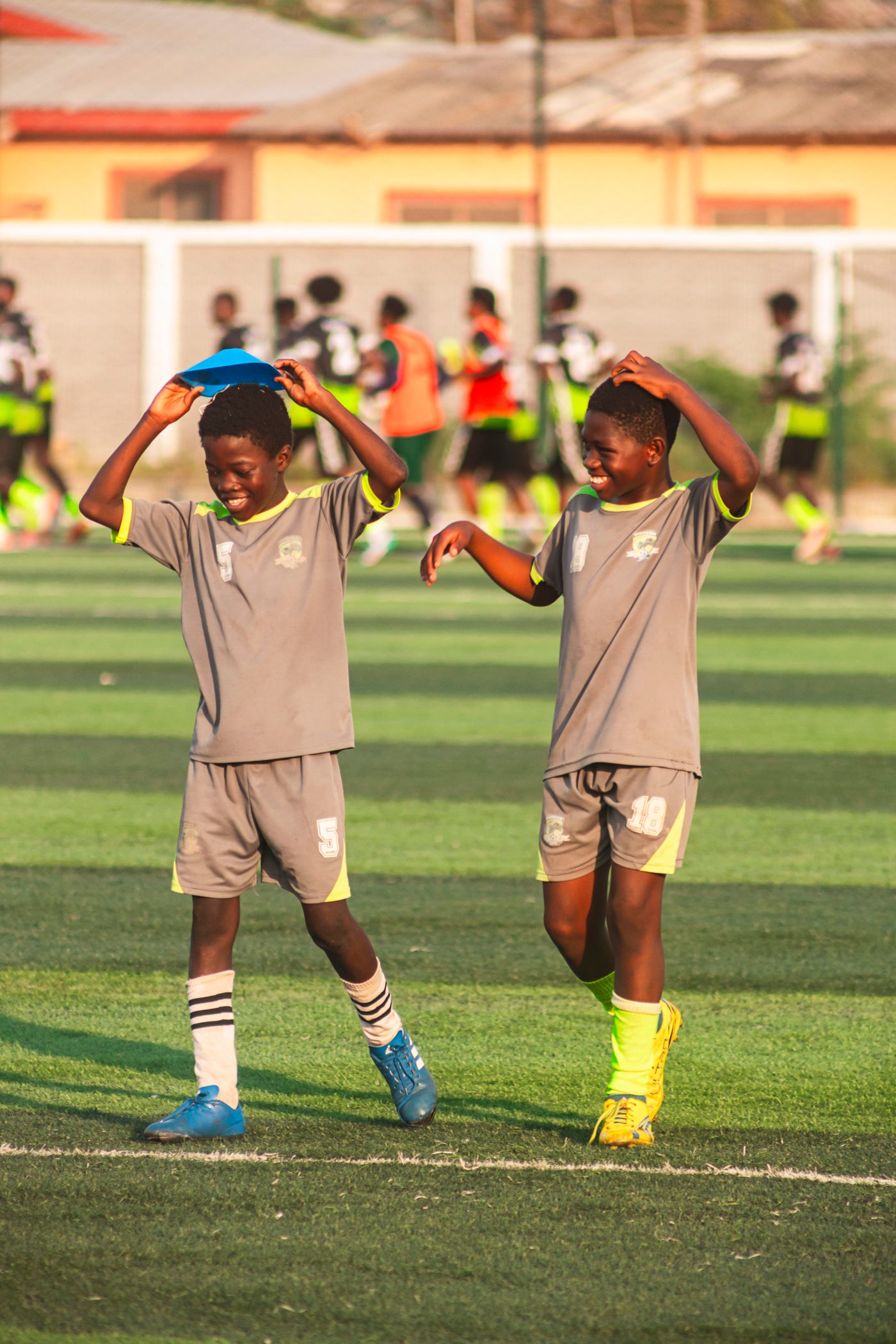
Visas are soccer reality
Most countries will not let a non-citizen simply move in and work as a soccer player. The soccer side and immigration side both have to be real.
Without another passport
The first question is often not level. It is whether a club can legally register, sponsor, or employ the player.
With ancestry
A second passport or federation eligibility can remove barriers. It does not make the club sign you or the national team call you.

Which countries are easier?
"Easier" does not mean easy. It can mean easier to enter, easier to trial, easier to get registered, easier to communicate, or easier to find a club willing to look at a foreign player.
Scandinavia
Sweden, Finland, Iceland, Denmark, and Norway can be organized, practical, and clearer than the biggest leagues.
Check permit rules, club level, season timing, housing, and whether the club can legally register or employ you.Baltics
Latvia, Lithuania, and Estonia can be useful first-step markets for fit, mature players who are realistic about level.
Smaller market does not mean soft market. Verify pay, housing, travel, registration, and club stability.Eastern/Central Europe
Poland, Slovakia, Slovenia, Romania, Czechia, Croatia, and Hungary can be stepping stones with the right contact.
Conditions vary heavily. Get written terms before moving.Ireland
English-speaking, culturally easier for many Americans, and a real league ecosystem if a club genuinely wants the player.
Non-EEA players still need the right sports employment route.Germany
Deep club pyramid, strong training culture, and attractive for players with EU rights or true elite proof.
Non-EU employment has formal conditions. Amateur lower leagues are not automatically a work-permit solution.Big-name markets
Spain, Portugal, Italy, France, Netherlands, Belgium, and England can be great learning environments.
They are also crowded, expensive, and administratively harder without the right passport, level, language, and contacts.Country fit by player type
- High-level academy player with EU passportLook at Germany, Netherlands, Belgium, Scandinavia, Portugal, Spain, and strong lower-division clubs where the level matches your film.
- High-level U.S. player without EU passportPrioritize markets with clearer athlete permits and clubs willing to sponsor: Finland, Iceland, Ireland, selected Nordic opportunities, and serious lower-division trials where the club knows the process.
- College-track playerDo not burn NCAA or NAIA options for a vague trial. Use summer windows, verified training blocks, USL League Two, college showcases, and full-game film.
- Dual-national with smaller federation eligibilityBuild a clean soccer CV, collect documents, understand cap-tying rules, and contact the federation pathway respectfully. Do not exaggerate club level.
- Late bloomer or bench playerOverseas is not a shortcut. First become a clear starter, collect adult minutes, improve physical output, and get honest references.
Player examples: different routes work
There is no single American pathway. These examples are useful because they show the context behind the outcome.
Christian Pulisic
Elite youth level, U.S. youth-national proof, Borussia Dortmund interest, family support, and Croatian ancestry paperwork lined up early.
Lesson: the passport helped remove a barrier; it did not create the player.Joe Scally
NYCFC academy, Homegrown contract, clear position profile, and a structured move to Borussia Mönchengladbach.
Lesson: a domestic academy can open Europe when the level and timing are real.Tyler Adams
Red Bulls academy, Red Bulls II at 16, MLS minutes, youth-national exposure, then RB Leipzig.
Lesson: Europe came after adult proof, not before it.Brenden Aaronson
Philadelphia Union academy, Homegrown deal, first-team production, then Red Bull Salzburg.
Lesson: the selling club's development plan matters.Matt Turner
Late start, Fairfield, undrafted, New England, then Europe. College gave him time to grow into the level.
Lesson: late bloomers need games, patience, and undeniable performance.Daryl Dike
Virginia, Generation Adidas, Orlando City, Barnsley loan, then West Brom at 21.
Lesson: college can work if the player dominates, produces quickly, and builds market evidence.Do not compare without context
Comparison is the biggest curse. Two players can be the same age and position but have completely different access: passport, family network, money, agency help, academy level, national-team exposure, or real club interest.
- National-team level is differentA youth national-team player is not just "a kid who went abroad." They have already been filtered through a higher scouting network.
- Elite academy level is differentIf the comparison player came from an MLS academy, top European academy, or pro reserve environment, they may be training daily at a speed most local players do not see.
- Offers are evidenceIf clubs, colleges, MLS academies, USL environments, or national-team scouts are not showing interest yet, the next step is usually to create proof, not skip to another continent.
- Ancestry changes accessA second passport or federation eligibility can remove barriers that another player cannot simply train through.
- Family soccer knowledge mattersAn ex-pro parent, college coach parent, agent connection, or older sibling in the game can help a family avoid traps and get real introductions.
- Money changes riskA family that can afford flights, housing, tutors, private training, missed wages, and legal help is not taking the same risk as a family stretching everything for one trip.
Styles of play are not just stereotypes
- England and ScotlandHigh tempo, physical duels, second balls, direct play in many levels, and serious pressure on decision speed.
- SpainMore positional language, technical security, scanning, combination play, and patience in possession, though lower levels can still be physical and direct.
- GermanyIntensity, transition, pressing, athletic repeat actions, and tactical structure.
- ScandinaviaOrganized, athletic, direct when needed, often practical in recruitment, and good for players who can handle cold weather, adult duels, and smaller-club responsibility.
- ItalyGame management, defensive detail, tactical discipline, timing, and role clarity.
- Netherlands and BelgiumDevelopment language, positional training, technical speed, and structured academy environments.
- PortugalTechnical players, tactical flexibility, strong scouting culture, and many foreign players competing for the same opportunity.
- Caribbean and CONCACAF federation routesFor dual-nationals, the realistic conversation is often national-team eligibility, regional tournaments, and identity, not assuming a Caribbean club league is the next step after college.
South America: respect the level
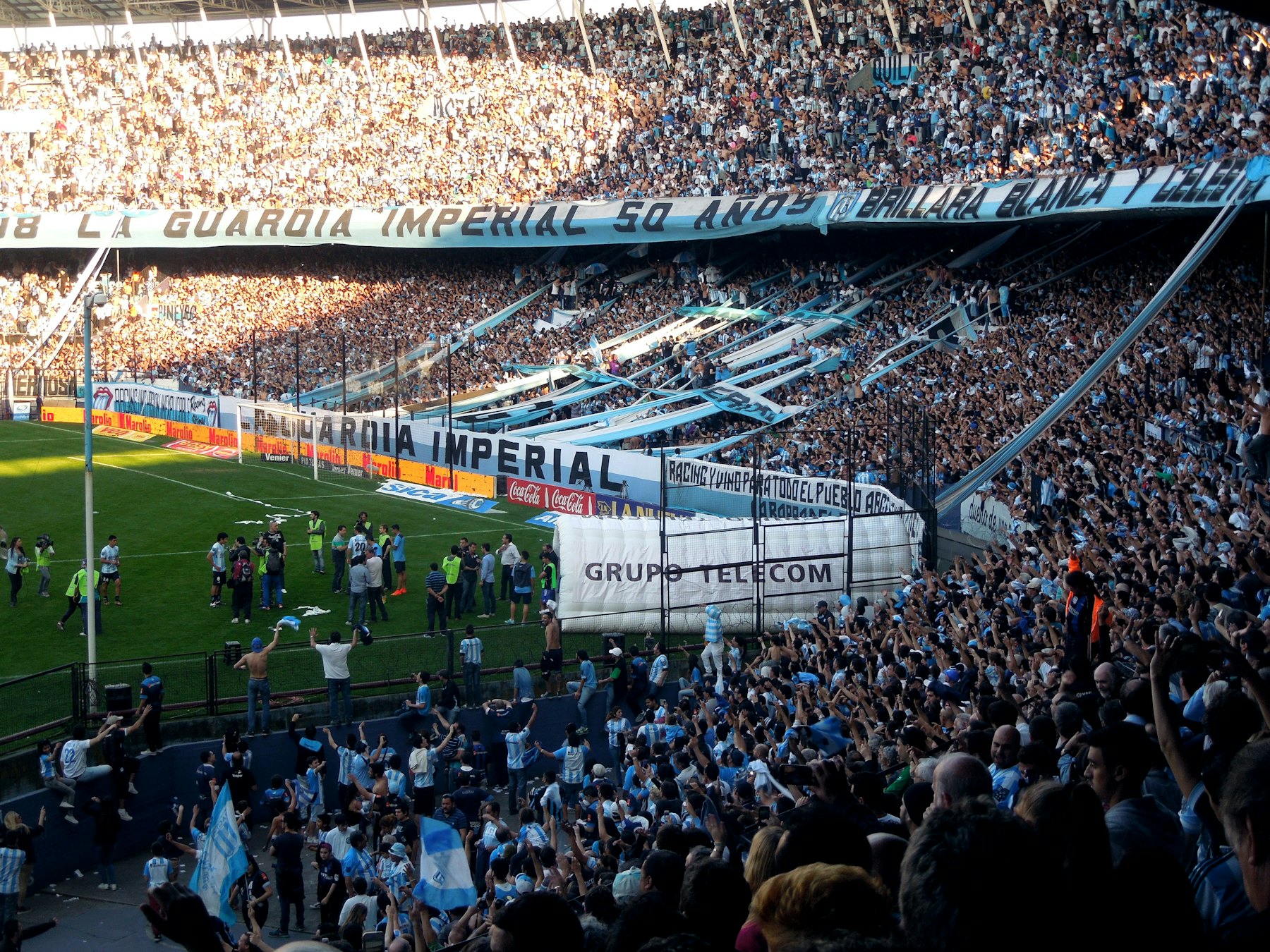
South America gets romanticized: street soccer, flair, passion, hostile crowds, cheap living, and clubs that supposedly care only about talent. Some of that comes from real culture. Some of it is marketing.
Brazil
Massive soccer ecosystem, endless player supply, strong technical culture, and serious competition at every rung. For an American, Brazil is more useful as a development/culture experience or a very targeted trial than as a casual first pro move.
What to know: Brazil has visa categories for professional athletes and sportspersons, but the serious route depends on a contract or formal sports purpose. Showing up without a real plan is not a pathway.Argentina
High soccer IQ, pressure, cleverness, emotional games, and a culture where players learn how to compete. If you cannot handle contact, crowd pressure, and constant verbal/mental edge, Argentina will expose that quickly.
What to know: great for learning what competitive soccer feels like. Hard as a first contract market unless you have contacts, language, paperwork, and a club that is genuinely responsible for you.Uruguay
Small population, huge soccer identity. The stereotype of "garra" matters: resilience, team sacrifice, aggression, concentration, and finding ways to survive difficult games.
What to know: not an easy landing. Useful for players who already have adult competitiveness and want a culture that rewards toughness and responsibility.Colombia, Chile, Peru, Ecuador
Different soccer cultures, but many environments value technical comfort, improvisation, transition moments, and solving pressure in tight areas.
What to know: club reliability and conditions vary widely by level. Verify contracts, housing, medical support, registration, and who is actually accountable before traveling.
- Language is part of the trialIf you do not speak Spanish or Portuguese, you are already slower in meetings, corrections, jokes, locker-room trust, and tactical detail.
- South America is not "less tactical"Players may express themselves more, but the best environments are detailed, demanding, and unforgiving.
- Physicality looks differentIt is not always bigger bodies. It is timing, contact, body position, fouls, tempo changes, and knowing how to protect the ball.
- Being American can help and hurtSome clubs may be curious because of the U.S. market. Others may assume you are soft, expensive, or naive until you prove otherwise.
- Use South America for growth, not promisesA short training block can teach rhythm, pressure, humility, and competitiveness. A vague promise of "Brazilian club exposure" should be checked hard.
Agents, connectors, and intermediaries
A good agent or connector can help. The wrong one sells access, creates urgency, and burns time in a short career window.
What a real agent does
Represents the player's soccer interest, knows clubs directly, gives honest level feedback, explains the market, and can show a track record of actual placements.
They should be clear about who they represent, how they are paid, and whether they are licensed or officially recognized where that matters.What a connector does
Makes an introduction, helps with logistics, or points a player toward a club or program. That can be useful, but it is not the same as agent representation.
If a connector charges monthly, the written agreement should say exactly what service is being provided and when it ends.Salesman warning
Some people claim official club connections when they are really selling a camp, combine, residency, or travel package.
Ask for the named club contact, role, email domain, team level, dates, and whether the club confirms the relationship directly.The club-affiliation test
If someone says they are "with" a club, ask whether they are employed by the club, contracted by the club, authorized to recruit, or simply allowed to bring paying players.
Those are very different relationships. Do not let vague club language replace proof.- Good signThe agent or connector asks for full-game film, position, passport status, age, injury history, current level, references, and realistic budget before promising anything.
- Good signThey are willing to put the service, fee, refund terms, club contacts, housing details, and responsibilities in writing.
- Red flagThey promise trials or contracts before watching meaningful film or understanding the player's passport and visa situation.
- Red flagThey only communicate through WhatsApp, refuse video calls with parents, avoid written agreements, or pressure the player to send money fast.
- Red flagThey say a club is interested but cannot name the team level, decision-maker, roster need, or what happens after the player arrives.
Scams and red flags
Treat overseas soccer like a school, immigration, housing, and child-safety decision. If the opportunity cannot survive basic questions, it is not ready for a youth player.
- Guaranteed contracts or anonymous clubsNo serious club guarantees a contract from a paid package. "Top European academy" means nothing unless the club, team, level, and staff are named.
- Suspicious money requestsDo not send money to a personal account, unknown agent, crypto wallet, or WhatsApp contact without an invoice, company identity, refund policy, and written service terms.
- Fake club connectionsBe careful with intermediaries who imply official club affiliation but cannot prove whether they are employed, contracted, or authorized by the club.
- Paid combine loopIf the only reason a club "knows" the player is because the player has paid to attend the same combine repeatedly, that is not real recruitment.
- Document safetyDo not send passport scans, birth certificates, medical records, or school documents through private messages to people you have not verified.
- No housing, visa, or school plan"Housing included" is not enough. For minors, education, supervision, safeguarding, insurance, and legal stay must be clear before travel.
- Parents pushed outAny adult trying to isolate a U18 player from parents or guardians is a major red flag.
- Pay-to-play agent behaviorBe careful with anyone charging placement or monthly support fees while refusing to identify clubs or put the service in writing.
What the brochure leaves out
International soccer can get messy fast: clubs change their mind, housing disappears, registration fails, coaches leave, and players get sent somewhere else with no real explanation.
- "Pack your bags"Ask what happens if the club releases the player, the trial ends early, the coach changes, or housing falls through.
- Moved to another teamIf a player is being sent from one club to another, get the new club name, league, level, housing, registration status, and responsible contact in writing.
- Airport or border problemsNever travel on vague visa advice. Know the legal basis for training, school, trial, or employment.
- Middleman monthly feesIf the club charges nothing but the connector charges monthly, demand a written agreement and independent references.
What is the real end goal?
The end goal does not have to be the Premier League. The useful goal is the next honest level.
Education win
A college scholarship, degree, better film, and no damaged eligibility.
Domestic pro win
USL, MLS NEXT Pro, Homegrown, or senior amateur minutes that prove adult readiness.
Overseas win
A real club trial, lower-division start, registered matches, and legal status.
Identity win
Ancestry paperwork, federation conversations, or a national-team camp that is actually verified.
Final checklist
- LevelGet an honest evaluation from a coach who has placed players beyond your current level.
- FilmUse full-game clips, not only highlights. Clubs need to see decisions, defending, body language, and mistakes.
- DocumentsPassport, birth certificates, parent/grandparent documents, school records, medical insurance, and player registration history.
- Document safetyShare sensitive documents only after verifying the organization, the recipient, and the purpose. Keep copies of every form, receipt, contract, and message.
- Federation clearancePlayers moving between countries may need international clearance through the relevant federations.
- School and eligibilityDo not damage NCAA, NAIA, high school, or amateur options without understanding the consequence.
- MoneySeparate development costs from placement fees. Know what is refundable and what is not.
- HousingGet the address, living conditions, adult supervision, transport, meals, curfew, and emergency procedure in writing before a deposit or flight.
- U18 parent contactParents should speak directly with the club, school, host family, program director, and at least one family who has already used the pathway.
- ReferencesCall families whose players actually went through the program, not only testimonials on the website.
Sources and starting points
Rules change, and each case depends on nationality, registration history, age, country, club level, and league. Use these as starting points, then confirm with the relevant federation, school compliance office, immigration professional, or club administrator.